
Ebony and Jet Magazines
Chronicling American History

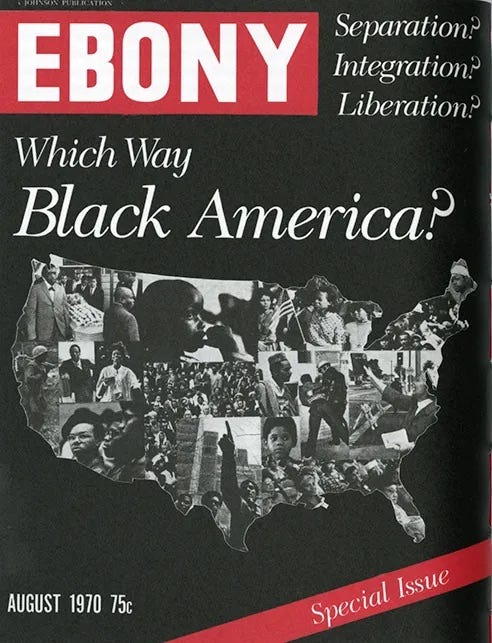
Besides black newspapers in cities across the nation, few media outlets dedicated resources to cover events and people connected to African American lifestyle and news as Ebony and Jet magazines.
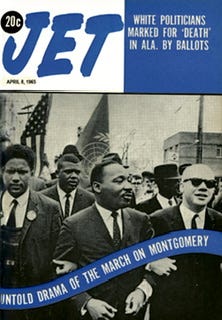

Ebony began publishing regularly just after the end of World War II while the smaller-sized Jet began in 1951 when Black Americans in many regions still lived under racial segregation.
https://www.britannica.com/biography/John-H-Johnson
https://www.nytimes.com/2010/01/10/business/media/10johnson.html
Ebony and Jet captured the environment that Black Americans were forced to endure over the years. In their 4 million images, the magazines chronicled the civil rights movement and the lives of prominent figures such as Miles Davis, Muhammad Ali, Nina Simone, and Coretta Scott King at her husband’s funeral.
https://www.blackpast.org/african-american-history/ebony-magazine/
Jet and Ebony remained dear to the hearts of many Black Americans because their images connected to key moments in black history—like the 1955 groundbreaking coverage of Emmett Till’s murder.

In the 1970s and 1980s, Ebony and Jet were found in every Black American home. In addition to Black celebrities and elites, Ebony and Jet revealed everyday black life — from children playing in city parks to elders praying at rural churches. A particular favorite was Jet’s “The Beauty of the Week’.”


In April 2019, Chicago-based Johnson Publishing, the owner of the photo archives and former publisher of the magazines, filed for Chapter 7 bankruptcy protection. This set off a wave of fear that the collection would be separated and purchased by private collectors, thereby walled off from the public.
https://www.cbsnews.com/news/ebony-and-jet-magazine-photo-archive/
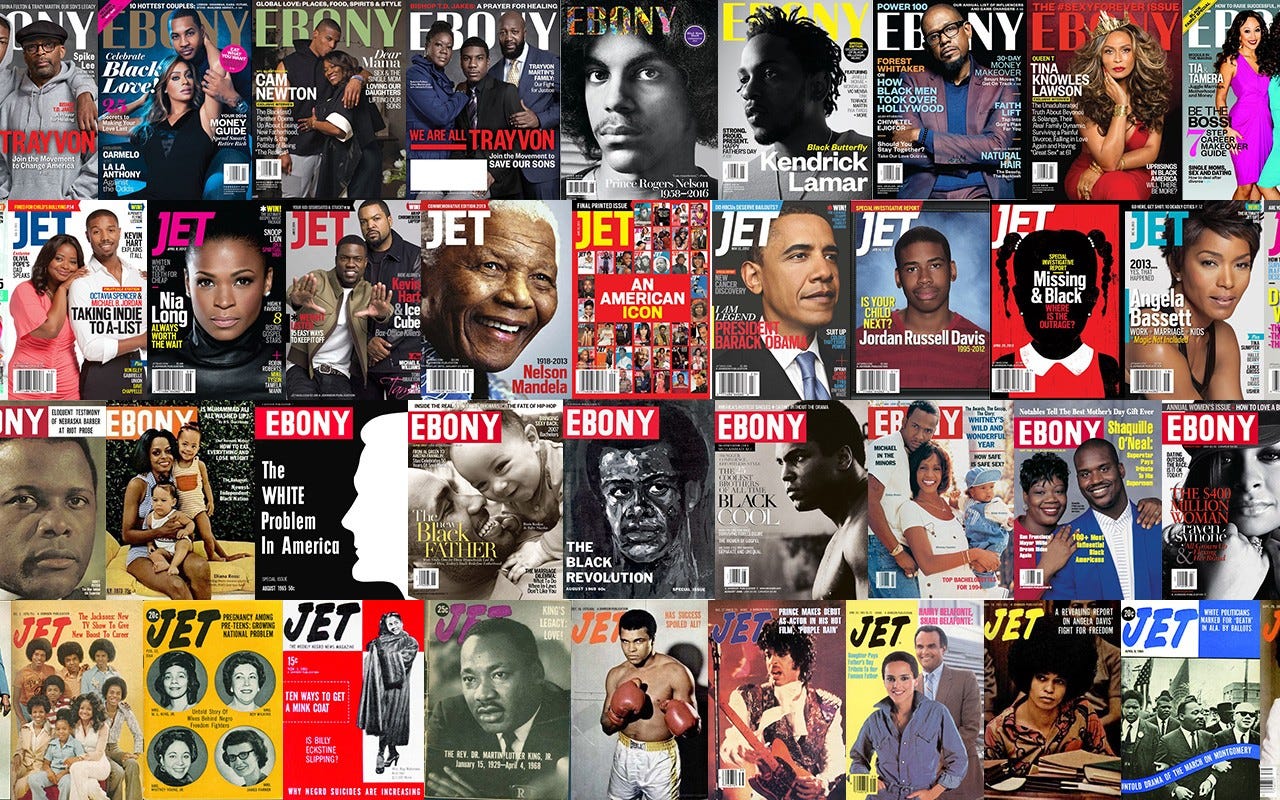
To the relief of many, the Ford, McArthur, and Mellon Foundations as well as The Getty Trust bought the archive for $30 million as part of an auction to pay off creditors of Johnson Publishing Company. The foundations donated the 4 million prints and negatives to the Smithsonian National Museum of African American History & Culture and the Getty Research Institute.
https://www.getty.edu/news/ford-getty-trust-macarthur-and-mellon-transfer-ebony-and-jet-photo-archive-to-getty-and-smithsonian/
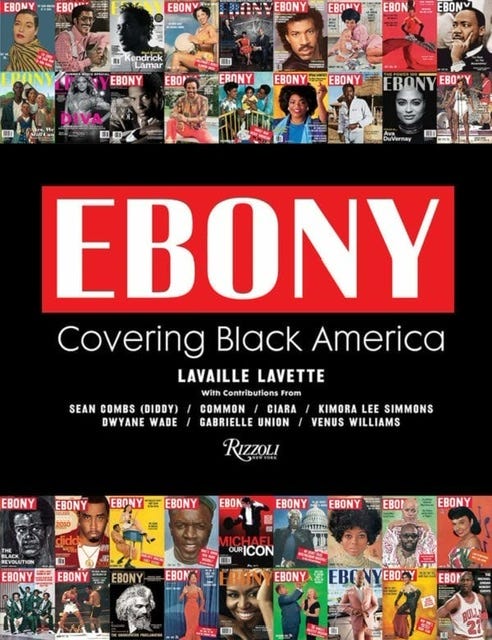
The Ebony and Jet photo archive chronicled Black American history. The sale of their archive generated relief among some who worried the historic images might have been lost. But it also caused many to mourn that the images won’t fully be in the hands of a Black American-owned entity. This is because for more than half a century, Ebony and Jet stood as the epitome of a black-owned business.
#