
Light and Sound
The Genius of Lewis Latimer

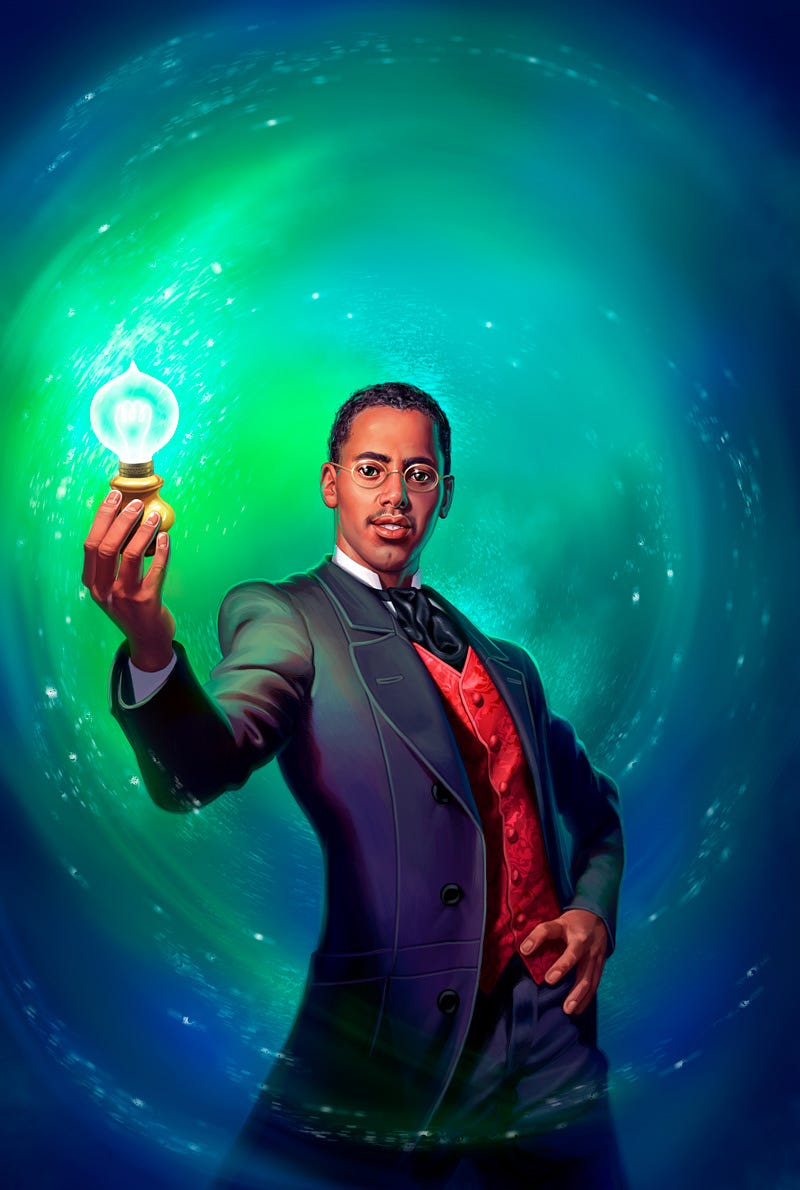
Image: Lewis Latimer, published by HarperCollins
Few have faced and overcome the challenges that Lewis Howard Latimer did, not only in the sphere of inventions but also in the battles against societal prejudices. Latimer, a Black -American inventor and draftsman, played an important role in the development of the telephone and electric light bulb, among other things. His journey from the son of escaped slaves to one of the foremost inventors of his era serves as a testament to his tenacity and genius.
Lewis Latimer’s early years were influenced by the struggles of being black in a society still grappling with the implications of the recently abolished institution of slavery. However, Massachusetts was one of the more progressive states concerning education for Black Americans, which gave young Lewis an opportunity.
The son of slaves, young Lewis attended public school in Chelsea, where he received a basic education. Given the era, it was significant that he had access to a public education, as many African Americans in other parts of the country did not have such opportunities. Formal schooling for Latimer was limited, but his thirst for knowledge was insatiable.
Lewis was largely self-taught, cultivating his skills and intellect through reading, observation, and practical experiences. The vast knowledge he acquired on his own would be instrumental in his later professional pursuits.
After the Civil War, at the age of 16, Latimer found employment as an office boy at the Boston-based patent law firm of Crosby Halstead and Gould.
This job marked the beginning of his training in drafting and the world of patents. Recognizing his potential and meticulous attention to detail, the partners of the firm decided to promote him and offered him an apprenticeship as a draftsman. Here, he honed his skills in sketching patent drawings.
This hands-on training equipped Latimer with the skills to produce detailed patent drawings — a talent that would prove invaluable in his collaborations with inventors like Alexander Graham Bell and Thomas Edison.During his time at the patent firm, he also learned about the patenting process, which helped him navigate the intricate world of patent law in his future collaborations.
One of his earliest patents, in 1874, was for an improved toilet system for railroad cars.
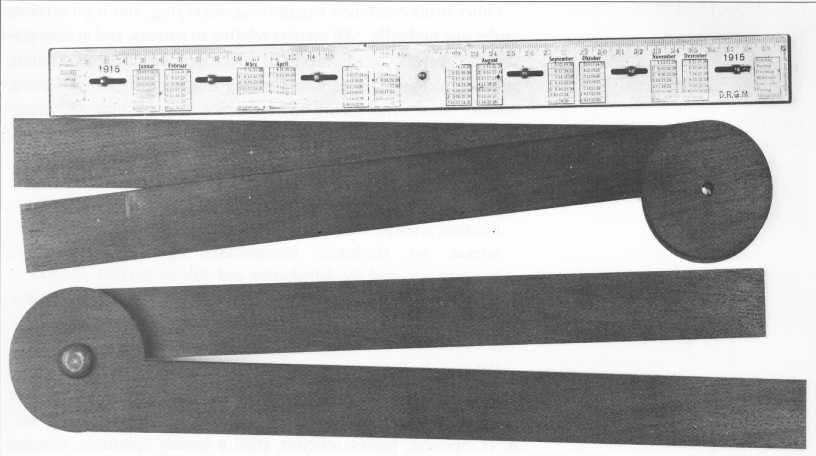
Image: Drafting Tools, ca. 1870
The skills he learned as a draftsman would prove invaluable in his collaborations with some of the most significant inventors of the time. Indeed, it was his collaborations with Alexander Graham Bell and Thomas Edison that would cement his legacy.
Louis Latraverse association with Alexander Graham Bell came about in the mid-1870s when he was employed by the patent law firm. It was during this period that Bell was racing to secure a patent for his telephone invention.
One of Latimer’s key skills was his ability to produce meticulous and detailed patent drawings, a talent he had cultivated during his tenure at the patent law firm.
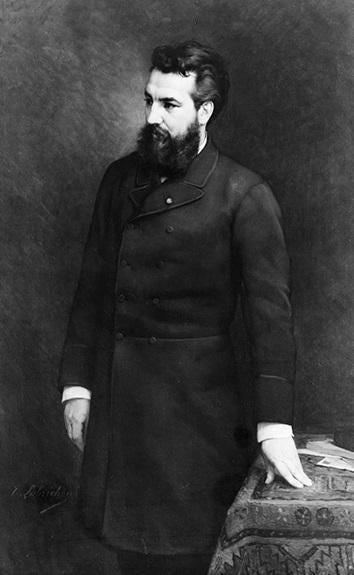
Image: Alexander Graham Bell in the 1870s
In 1876, Alexander Graham Bell sought the firm’s services to draft the patent for his telephone. Latimer was given the responsibility to create the patent drawings for Bell’s application.
The race to patent the telephone was intense. Elisha Gray, another inventor, had also developed a version of the telephone and was in the process of filing a patent for it.
Recognizing the urgency, Latimer worked diligently, often through the night, to complete the required patent drawings for Bell. His dedication and precision played a pivotal role in Bell being awarded the patent on March 7, 1876, just a few hours before Gray’s patent caveat was received.
While Bell is credited with inventing the telephone, the story behind its patenting highlights the collaborative nature of innovation. Without Latimer’s expertise and commitment to producing the patent drawings with speed and precision, the history of the telephone might have taken a different turn. Bell’s successful patenting of the telephone paved the way for the establishment of the Bell Telephone Company, which would go on to dominate the telecommunication landscape for years to come.
Lewis Latimer joined the Edison Electric Light Company in 1884. By this time, Edison had already invented the incandescent light bulb, but there were significant challenges that still needed to be addressed to make it more practical and commercially viable.
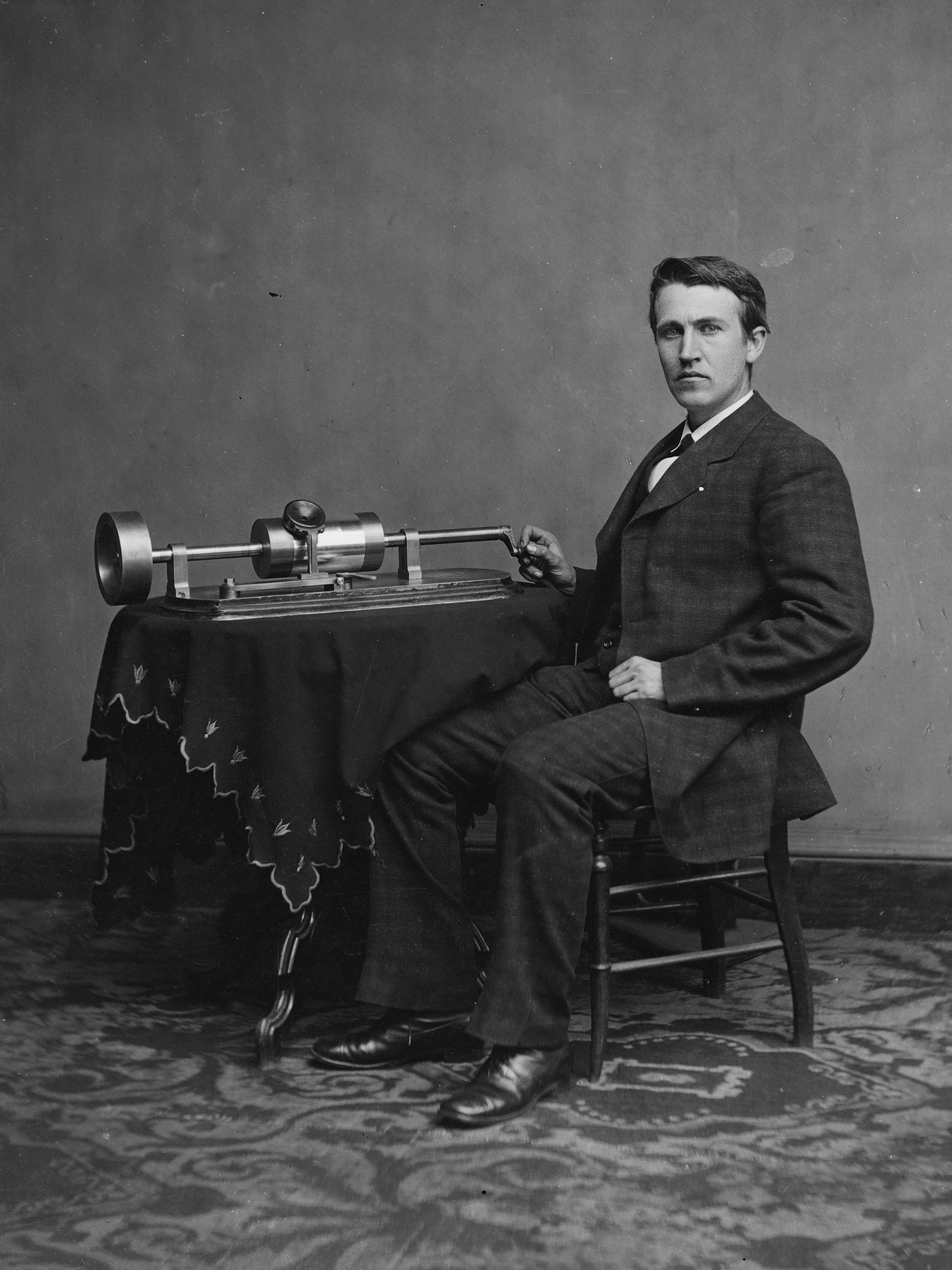
Image: Thomas Edison, in his early years
One of the significant limitations of Edison’s initial design was the use of bamboo as a filament. This filament did not have a very long lifespan and was not the most efficient design. Lewis Latimer developed and patented a method for manufacturing carbon filaments. His method, patented in 1881, was a critical step in improving the bulb’s durability. Latimer’s carbon filament outlasted Edison’s bamboo filament, making electric lighting more practical for everyday use and mass production.
Latimer’s contributions went beyond just improving the light bulb. He was instrumental in spearheading the effort to introduce electric street lighting in various cities. He oversaw the installation of public electric lights throughout cities like New York, Philadelphia, Montreal, and even across the Atlantic in London. These installations were milestones in transitioning urban centers from gas lights to electric lights.
At Edison Electric, Latimer wore many hats. Apart from being an inventor and engineer, he was also a draftsman, producing detailed drawings essential for patent applications. Additionally, he played a role in the legal aspects of the company, using his experience from his days at the patent law firm to defend Edison’s patents in court against infringement.
Highlighting his deep understanding of the subject, Latimer authored a comprehensive book titled “Incandescent Electric Lighting: A Practical Description of the Edison System.” Published in 1890, this was one of the first textbooks on electric lighting, which further solidified Latimer’s position as a leading expert in the field.
While Thomas Edison is often singularly credited with revolutionizing electric lighting, it’s crucial to acknowledge the collaborative nature of innovation. Lewis Latimer’s contributions were fundamental to the evolution and commercial success of electric lighting. His collaboration with Edison underscores the importance of diverse talents coming together to drive technological advancement.
While he is often recognized for his work with Edison and Bell, Latimer had several significant patents and contributions to his name.
In 1874, Latimer invented the water closet for railroad cars. One of Latimer’s earliest patents, this invention was an improved toilet system for railroad cars. Prior to this, sanitation on moving trains posed a significant challenge. His design aimed to make long-distance rail travel more hygienic and comfortable for passengers.
Latimer is perhaps best known for his advancements in electric lighting. While Thomas Edison had already invented the incandescent light bulb, it had significant limitations due to the paper filament used, which had a short lifespan. Latimer’s patent in 1881 introduced a method for producing carbon filaments for light bulbs.
This was a game-changer for electric lighting, as carbon filaments were more durable and efficient than their paper counterparts, greatly enhancing the practicality and commercial viability of light bulbs.
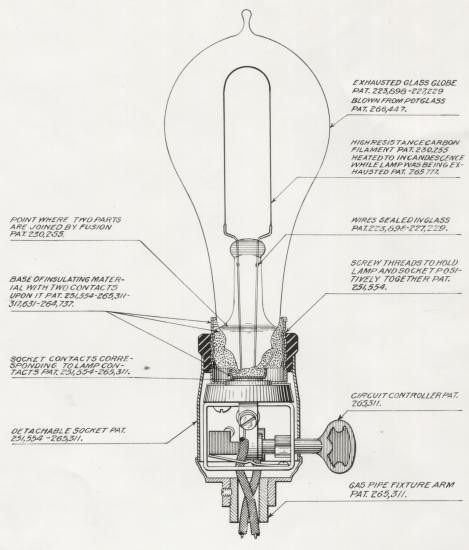
Image: Edison's lamp and socket with Latimer’s carbon filament.
Following his 1881 patent, Latimer further refined the process of making carbon filaments with a new patent in 1882. This involved a method for protecting the filament by surrounding it in cardboard, thus further improving its durability.
in 1882, Latimer, along with Joseph Nichols, patented an improved electric lamp design. The innovation lay in the construction of the lamp, which was better adapted to house the durable carbon filament, ensuring a longer lifespan for the bulb.
Latimer’s inventive spirit extended beyond lighting. In 1886, he patented a device designed to cool and disinfect rooms, highlighting his interest in improving general living conditions.
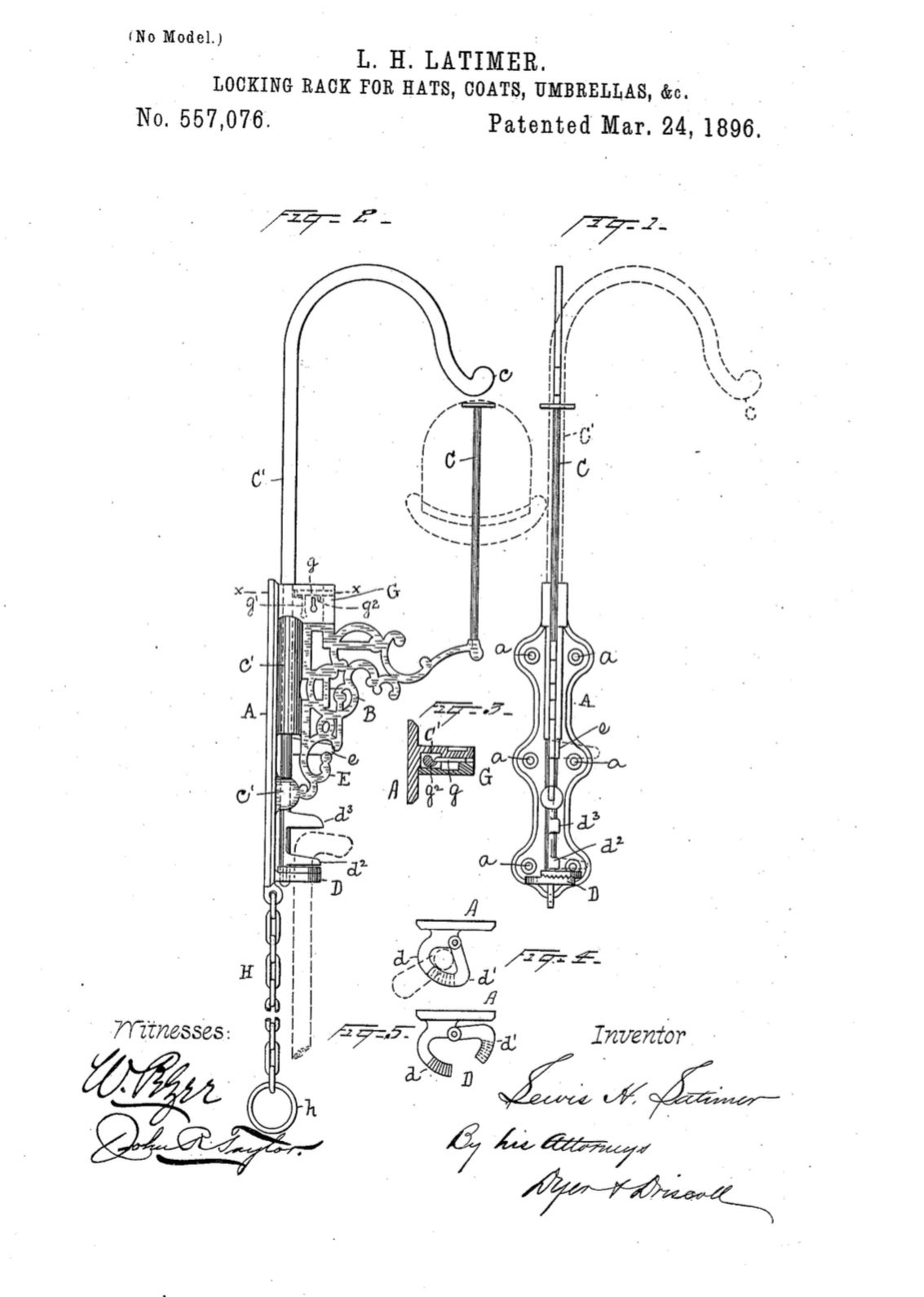
Image: Locking Rack for Hats, Coats, and Umbrellas (1896):
Showcasing his versatility, in 1896, Latimer also ventured into everyday convenience items like locking racks for hats, coats, and umbrellas. This invention aimed to securely store (lock) personal belongings (items, like hats, coats, and umbrellas) in public places.
Latimer’s skills as a draftsman enabled him to create detailed patent drawings, which were crucial for inventors like Alexander Graham Bell.
Furthermore, his understanding of both the technical and legal aspects of patents made him an invaluable asset to teams working on groundbreaking technologies of the time.
Latimer's association with Edison was perhaps even more impactful than that he had with Bell. Edison's original light bulb used a paper filament, which burned out quickly.
Latimer, in 1881, patented a method for producing a more durable carbon filament, thus significantly extending the life of the bulb and making it more commercially viable. Furthermore, he also authored the first book on electric lighting, "Incandescent Electric Lighting," and was deeply involved in the installation of public electric lights throughout New York, Philadelphia, Montreal, and London.
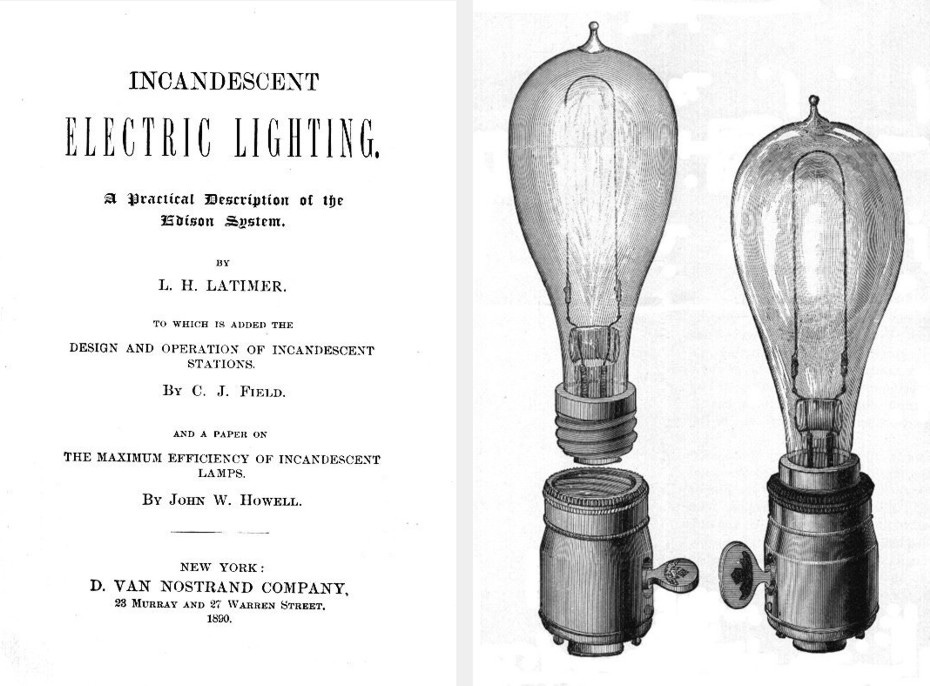
Image: Lewis Latimer’s book cover
Beyond his remarkable professional achievements, Latimer was also a trailblazer in breaking racial barriers. He was one of the original members of Edison's elite research team, dubbed "Edison's Pioneers," being the only African-American on the team. This was at a time when racial prejudices were starkly entrenched in American society.
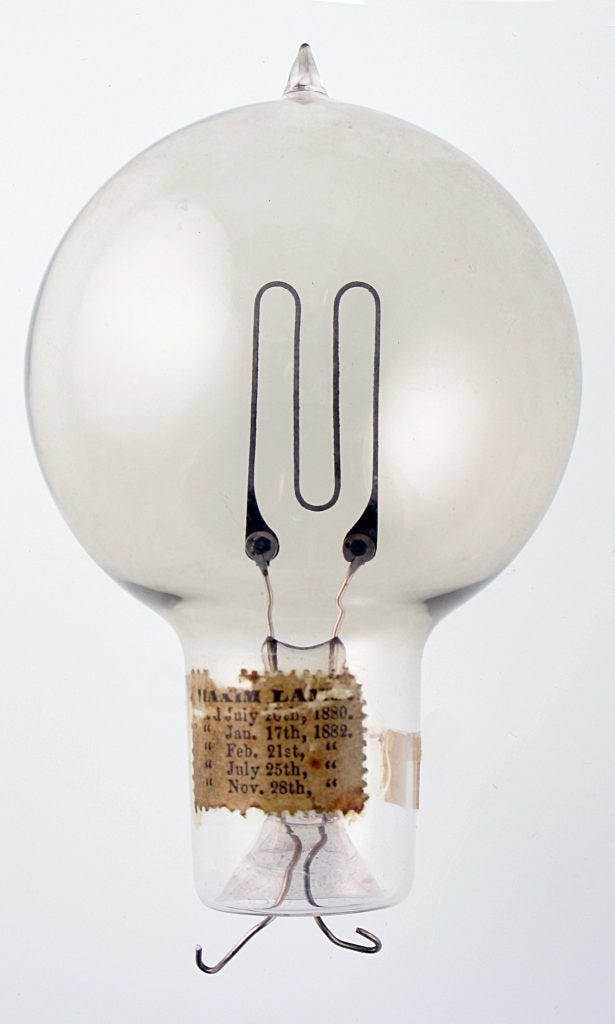
Image: This Maxim Lamp, developed by Latimer in 1881, is in SPARK Museum’s collection
Furthermore, Latimer was dedicated to uplifting the Black-American community. He offered courses in mechanical drawing for aspiring black draftsman, thus ensuring that his knowledge and expertise were passed on to the next generation.
While Lewis Latimer didn’t have the privilege of extensive formal education or training typical of many of his contemporaries, his innate curiosity, self-driven learning, and the practical training he received at the patent law firm set the stage for his numerous achievements.
His journey underscores the fact that passion, coupled with determination and opportunity, can lead to profound accomplishments regardless of one’s initial circumstances.
Lewis Howard Latimer's life and achievements transcend the realm of inventions alone. His legacy is a beacon of resilience, innovation, and an unwavering commitment to progress, not only in the field of science but also in society at large.
In a world that often sought to marginalize him based on his race, Latimer's brilliance shone through, reminding us that talent and perseverance can break through even the most formidable barriers.
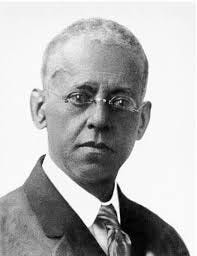
Image: Lewis Latimer, in old age
Lewis Howard Latimer’s contributions spanned multiple domains. Latimer’s collaboration with Bell emphasizes the often-underappreciated roles that individuals play behind groundbreaking innovations.
While the spotlight often shines on the primary inventor, it’s crucial to recognize and appreciate the contributions of those who work behind the scenes, ensuring that inventions not only see the light of day but also secure the legal protection they require. In the case of the telephone, Lewis Howard Latimer’s role was undoubtedly instrumental in shaping its early history.
In conclusion, Lewis Latimer’s inventiveness spanned various fields, from electric lighting to sanitation. His patents and collaborative works mark significant advancements in technology and daily conveniences during a pivotal era of American innovation.
Resources
https://home.nps.gov/edis/learn/kidsyouth/the-gifted-men-who-worked-for-edison.htm
https://www.biography.com/inventors/lewis-howard-latimer
http://blackhistorynow.com/lewis-h-latimer/
https://invention.si.edu/innovative-lives-lewis-latimer-1848-1928-renaissance-man
Books
Fouché, Rayvon. Black Inventors in the Age of Segregation: Granville T. Woods, Lewis H. Latimer, and Shelby J. Davidson. Johns Hopkins Studies in the History of Technology. Baltimore: John Hopkins Press, 2003.
Singer, Bayla. Inventing a Better Life: Latimer’s Technical Career, 1880-1928. United States: Queens Borough Public Library, 1995.
Gates, Henry Louis, and Evelyn Brooks Higginbotham. African American Lives. Oxford: Oxford University Press, 2004, 515–516.
Van Sertima, Ivan. Blacks in Science. United States: Transaction Publishers, 1998, p. 236.
Latimer, Lewis Howard, C. J. Field, and John W. Howell. Incandescent Electric Lighting: A Practical Description of the Edison System. New York: D. Van Nostrand Company, 1890.